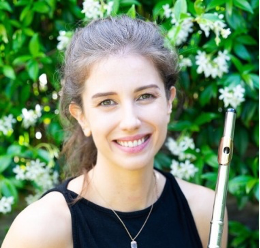
Stef Tepper - Music Therapist
I am a qualified, HCPC-registered Music Therapist with over 10 years of experience working with children and young people with complex and specialist physical, emotional and behavioural needs. As well as running my own private practice from my home in Surrey, I work for Clap and Toot, an organisation which specialises in supporting children and young people who have been adopted, fostered or who are under legal guardianship and their families. Often my work involves supporting individuals with autism or profound and multiple learning disabilities (PMLD) in educational settings, or providing home visits for clients who may find it harder to access music therapy elsewhere. I have had the privilege of working at nationally renowned Linden Lodge, a specialist multi-sensory impairment college for children and young people aged 3-19 and have worked in SEN for 5 years specialising in young people with autism and emotional behavioural needs. I am also a registered practitioner with the Amber Trust who specialise in supporting children with visual impairment to access music.
My work is guided by three values:
Collaboration
Working alongside the person and those who know them best, valuing every form of communication and participation.
Person-centered
Building safe, trusting relationships through consistent, responsive and attuned interactions.
Safety
Creating spaces where people can communicate, make choices and participate at their own pace, with dignity, consent and autonomy at the centre.
What is music therapy?
Music therapy uses music and shared musical experiences to create opportunities for communication, connection, choice and emotional expression. For people with PMLD, it can provide a meaningful way to interact with others, express preferences and experience agency and connection beyond spoken language. All music therapists in the UK are trained at MA level and are registered as allied healthcare professionals with HCPC.
What I can offer:
I am able to travel to welcome enquiries from clients who are unable to travel. I specialise in working with children, young people and adults with multiple, complex learning difficulties and those with multi-sensory impairment. Many people I meet and work with live with complex feelings and emotions that they are simply unable to express. Making informed and consensual choices is a right we are all entitled to yet this can be a great challenge for someone living with complex needs and physical impairment. There can also be barriers to connecting to the people around them including their immediate family loved ones. These can feel overwhelming and debilitating. Parents often tell me they feel unsure how to help and want to provide their child with experiences of meaningful connection. I work closely with families and offer support in areas such as:
Decision making - working to support consensual decision making and opportunities for making purposeful and independent choices.
Emotional expression - supporting a person’s individual voice and creating opportunities for a musical outlet for self-expression
Connection - music is a wonderful way to interact, connect and experience the world in relation to another person.
Experience - offering opportunities to explore a range of vibro-tactile and sensory instruments to enhance understanding and experience
What happens in sessions
Starting music therapy can sometimes feel unfamiliar, and it’s completely natural for a person to feel unsure, worried or nervous at first. Every session is different because every person is unique, and there is no expectation to engage in any particular way.
Depending on their interests and needs, a young person might choose to:
Play instruments and improvise alongside the therapist
Explore music technology to experience sensory feedback or create their own sounds
Listen to music together that connects with how they are feeling
Explore movement using musical sounds and cues
Music therapy offers a safe, creative space where a person can express themselves in their own way. There is no ‘right’ or ‘wrong’ way to engage with music. We follow each person’s lead, allowing them to explore feelings, communicate their choices and preferences, and build confidence at their own pace.
What to expect
-
We’ll start with a short introductory chat, usually around 20 minutes by phone or video call. This is a relaxed opportunity for you to tell me a little about yourself or the person you would like to refer, share any questions or concerns, and find out more about how music therapy could support them. It also gives us a chance to see whether music therapy feels like the right fit for the individual.
-
We will begin with three music therapy assessment sessions. Alongside these practical sessions, I’ll meet with family members and/or professionals supporting the client to discuss strengths, needs and experiences. You will also receive a written report summarising what we’ve explored and what may be helpful moving forward.
This assessment stage gives us an opportunity to get to know each other and think together about whether music therapy could be a good fit for the client.
-
If we decide to continue, sessions usually take place once a week during term time. They can happen in your home, at school, community centre or another setting that we agree together.
Every client’s sessions are different and are shaped around their individual needs and interests. Some sessions might involve lively music-making and playing instruments, while others may be quieter, with listening, singing, or more sensory-focused musical activities. We work collaboratively, following the client’s lead and focusing on what helps them feel comfortable, engaged and supported.
-
I meet regularly with parents and/or other professionals to talk about how things are going and celebrate the progress being made. These meetings give everyone a chance to share their thoughts, talk about any changes in support that may be needed, and work together to agree on the best next steps for the client.
Interested in music therapy?
If you think music therapy might help you or your child, or are interested to know more, let’s have a chat.